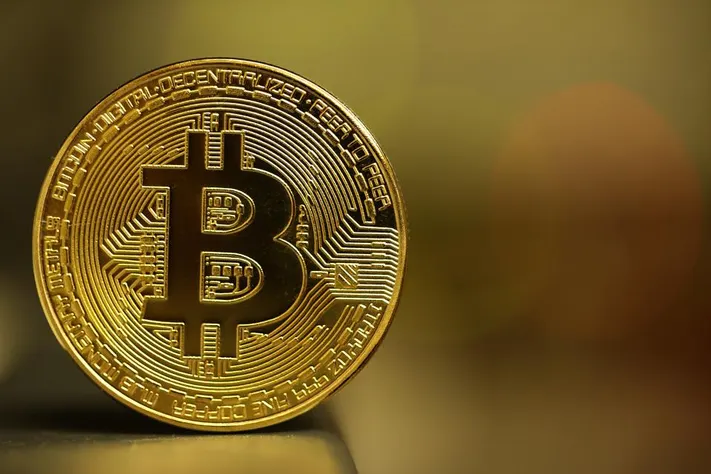
Bitcoin is displaying reduced volatility as it matures, with research showing it has at times been less volatile than major technology stocks.
Analysts point to growing institutional participation, deeper liquidity and the rise of ETFs as key factors moderating price swings once seen as extreme.
Analysts indicates that between 2022 and 2024, Bitcoin was at times less volatile than major technology stocks such as Netflix.
The same research found that the cryptocurrency was also less volatile than dozens of companies listed in the S&P 500, a comparison that would have seemed unlikely just a few years ago.
For much of its history, Bitcoin has been defined by dramatic boom-and-bust cycles. In its early years, volatility often exceeded 200 percent, reinforcing perceptions of the digital asset as speculative and unpredictable.
Those sharp swings attracted traders seeking quick gains but discouraged more conservative investors who viewed such instability as incompatible with long-term portfolios.
The recent data suggests a shift may be under way. According to the research, Bitcoin’s volatility has moderated significantly compared to its early years, even as it continues to trade at levels far above traditional safe-haven assets.
While it remains far more volatile than traditional safe havens like gold, the trend points toward increasing stability as the market evolves.
A key driver behind this change has been increased institutional participation. Large asset managers, hedge funds and corporates have entered the market in growing numbers, bringing with them longer investment horizons and more disciplined trading strategies.
This has helped dampen the extreme price swings that once characterised Bitcoin trading, particularly during periods of market stress.
Deeper liquidity has also played an important role. As trading volumes have grown and markets have expanded across multiple regions and platforms, Bitcoin has become harder to move sharply on relatively small flows.
Greater liquidity has reduced the impact of sudden buying or selling, allowing prices to adjust more gradually than in the past.
Another factor highlighted is Bitcoin’s increasing integration with traditional finance. The emergence of instruments such as exchange-traded funds has linked the cryptocurrency more closely to established financial systems.
These products have broadened access to Bitcoin, attracting investors who might previously have been unwilling or unable to hold the asset directly.
This integration has helped normalise Bitcoin’s behaviour within diversified portfolios. As exposure to the cryptocurrency becomes part of mainstream investment strategies, trading patterns increasingly resemble those of other widely held assets rather than a niche speculative instrument.
Despite these developments, analysts caution that Bitcoin is not on the verge of becoming a low-risk asset.
The research notes that it remains significantly more volatile than gold, government bonds or major currencies.
Sharp price movements are still possible, particularly during periods of regulatory uncertainty, macroeconomic shocks or shifts in investor sentiment.
However, the trajectory outlined in the research draws an interesting parallel with the early years of modern gold trading.
Like Bitcoin today, gold experienced periods of pronounced volatility as markets developed, participation widened and pricing mechanisms matured.
Over time, increased liquidity and broader adoption helped stabilise gold’s price behaviour, even as it retained its role as a store of value and hedge.
The comparison suggests that Bitcoin’s evolution may follow a similar path. Continued market maturity, coupled with expanding institutional involvement and regulatory clarity, could further moderate price behaviour over the long term.
For investors, the findings challenge long-held assumptions about Bitcoin’s role in portfolios.
While it remains a higher-risk asset, the evidence that it can at times be less volatile than major technology stocks raises questions about how risk is defined in modern markets.
As Bitcoin continues to integrate into the global financial system, its transformation from a fringe experiment into a more established asset class appears to be reshaping not just how it is traded, but how it is perceived.
The era of extreme volatility may not be over, but the data suggests it is no longer the defining feature it once was.






























Comments
Sign in with Google to comment, reply, and like comments.
Continue with Google